


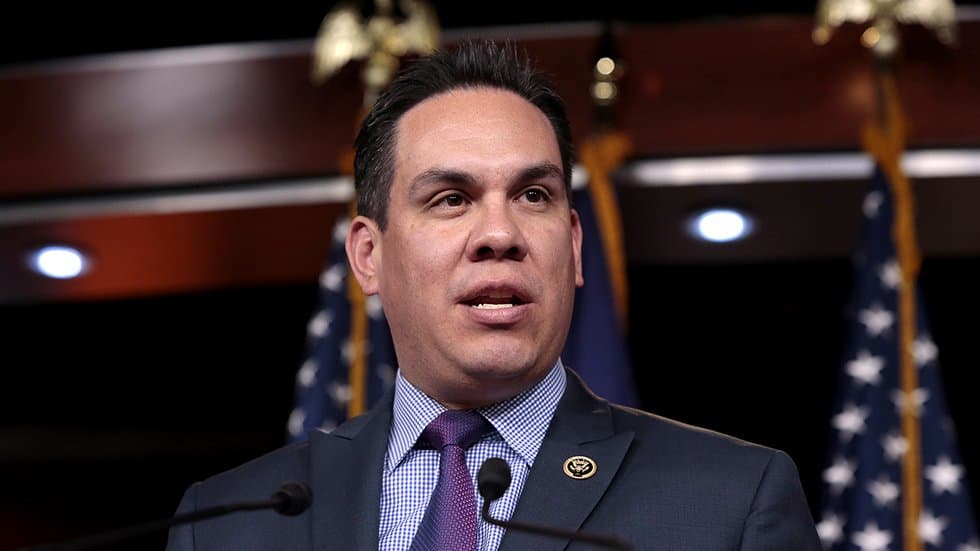


Recent polling averages and forecasting models show Democrats holding a durable 8–12 point edge on the generic ballot heading into the November 3 midterms, translating into projected House majorities of roughly 220–240 seats in most simulations. This positioning stems from sustained voter concerns over economic conditions and the historical pattern of the president’s party losing ground in midterm contests. As House Democratic leader, Hakeem Jeffries therefore commands the implied probability of becoming speaker once the new Congress organizes in January. Lower-priced alternatives such as Katherine Clark or Pete Aguilar would require an internal caucus revolt after a Democratic takeover, while Republican outcomes remain contingent on an unusually strong performance that current data do not support. Late shifts in turnout or unforeseen events could still narrow the margin.
Experimental AI-generated summary referencing Polymarket data. This is not trading advice and plays no role in how this market resolves. · UpdatedView resolved
Beware of external links.
Beware of external links.
Frequently Asked Questions