

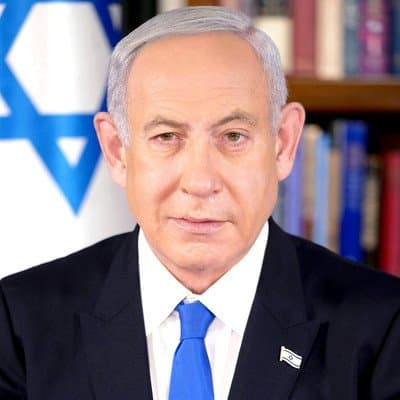


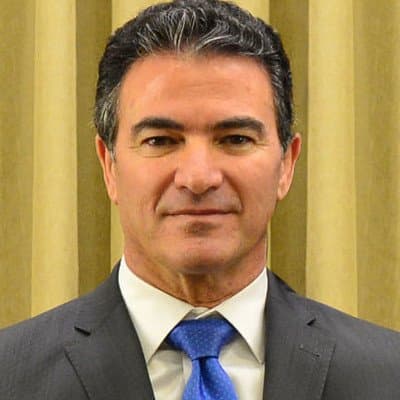




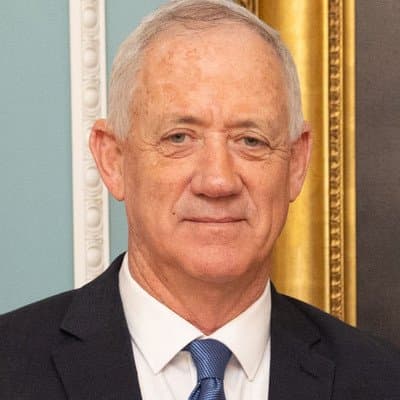








Post-election results from Israel's October 27, 2026, vote left Benjamin Netanyahu's Likud-led bloc with 53 Knesset seats and Gadi Eisenkot's Yashar-centered opposition bloc with 48, both short of the 61-seat majority needed to govern amid a record Arab parties' surge to 19 seats. Traders assign Eisenkot the highest probability of becoming prime minister next because his bloc's stronger polling momentum and potential paths through unity talks or minority arrangements backed by Arab parties outweigh Netanyahu's incumbency advantage and slight seat edge. Prolonged coalition negotiations, possible repeat elections in 2027, and absentee ballot finalization continue to shape these assessments in a fragmented Knesset.
Experimental AI-generated summary referencing Polymarket data. This is not trading advice and plays no role in how this market resolves. · UpdatedView resolved
Beware of external links.
Beware of external links.
Frequently Asked Questions